❋
Mod Foundation
REBRAND / STRATEGY / VISUAL SYSTEM / EXTENSIONS / EVENTS
MOD INSTITUTE
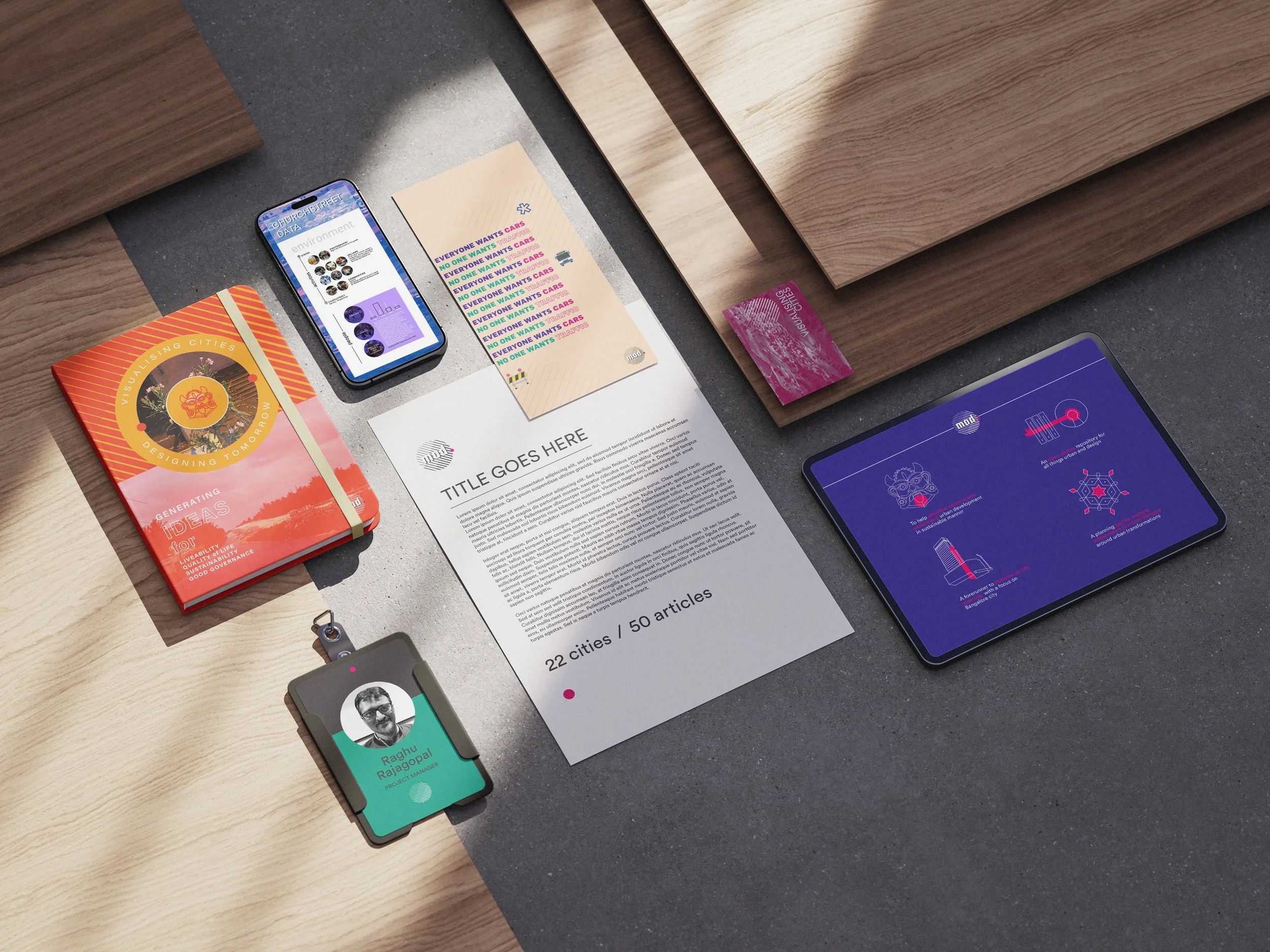
Started in 2010, is an interdisciplinary urban action and research institute based in Bengaluru consisting of architects, designers, researchers, curators and practitioners focused on design-driven engagement with the urbanisation processes in India. Visualising information, strategic spatial analysis, design and mapping are all lenses involved when working with cities. Mod Foundation is the urban design and research team at Venkataramanan Associates (VA), an architecture, interiors and urban design practice headquartered in Bangalore.
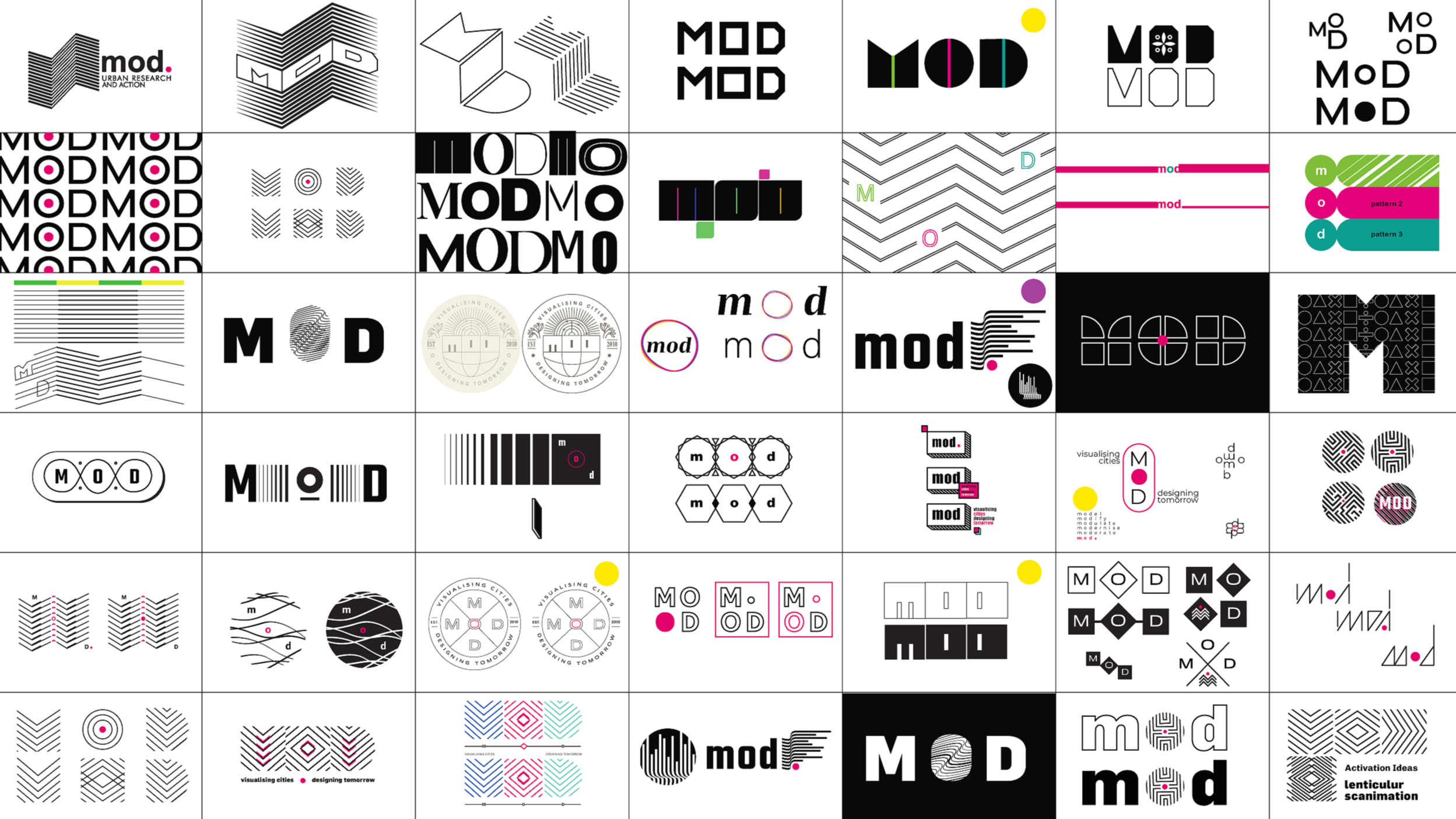
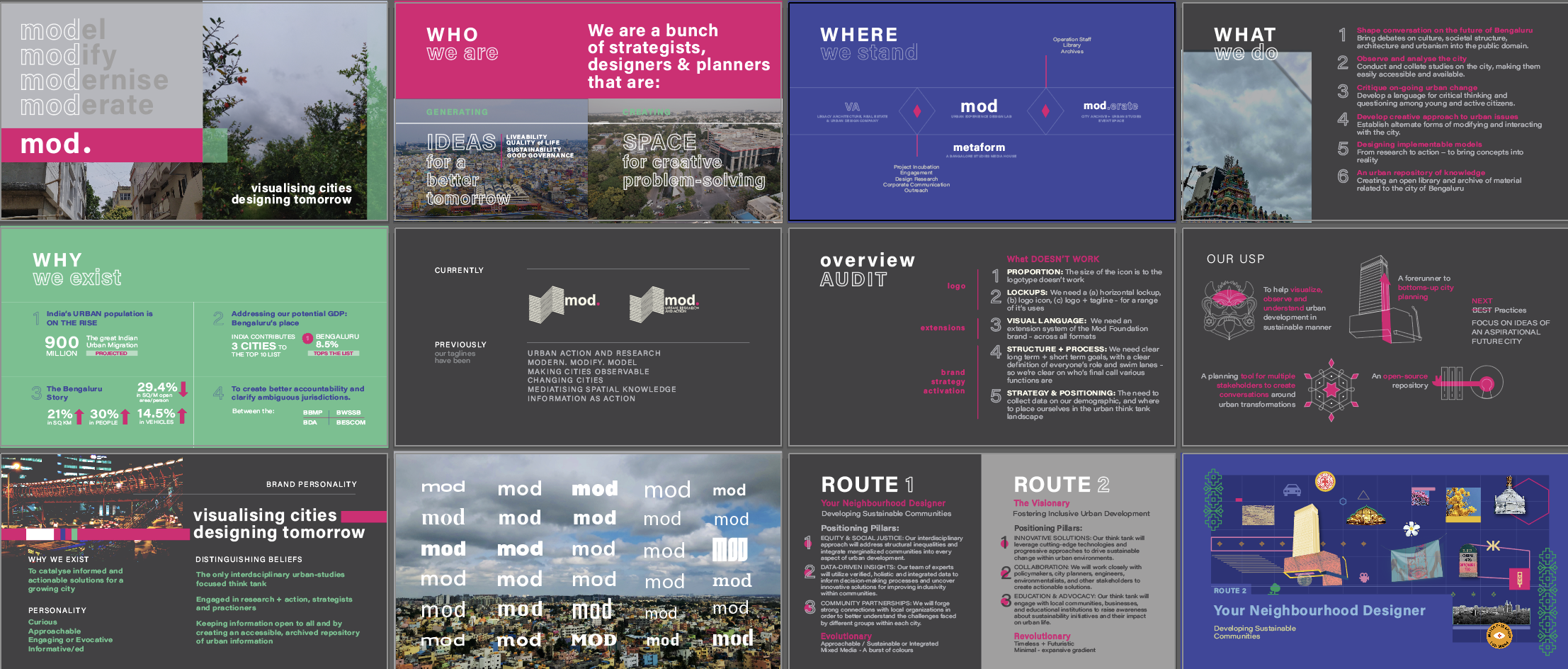
Logo Evolution Before ; During ; After

Logo Extension on Light background ; on Dark background

Colour Palette Main 2 (left) Accent 3 (right)
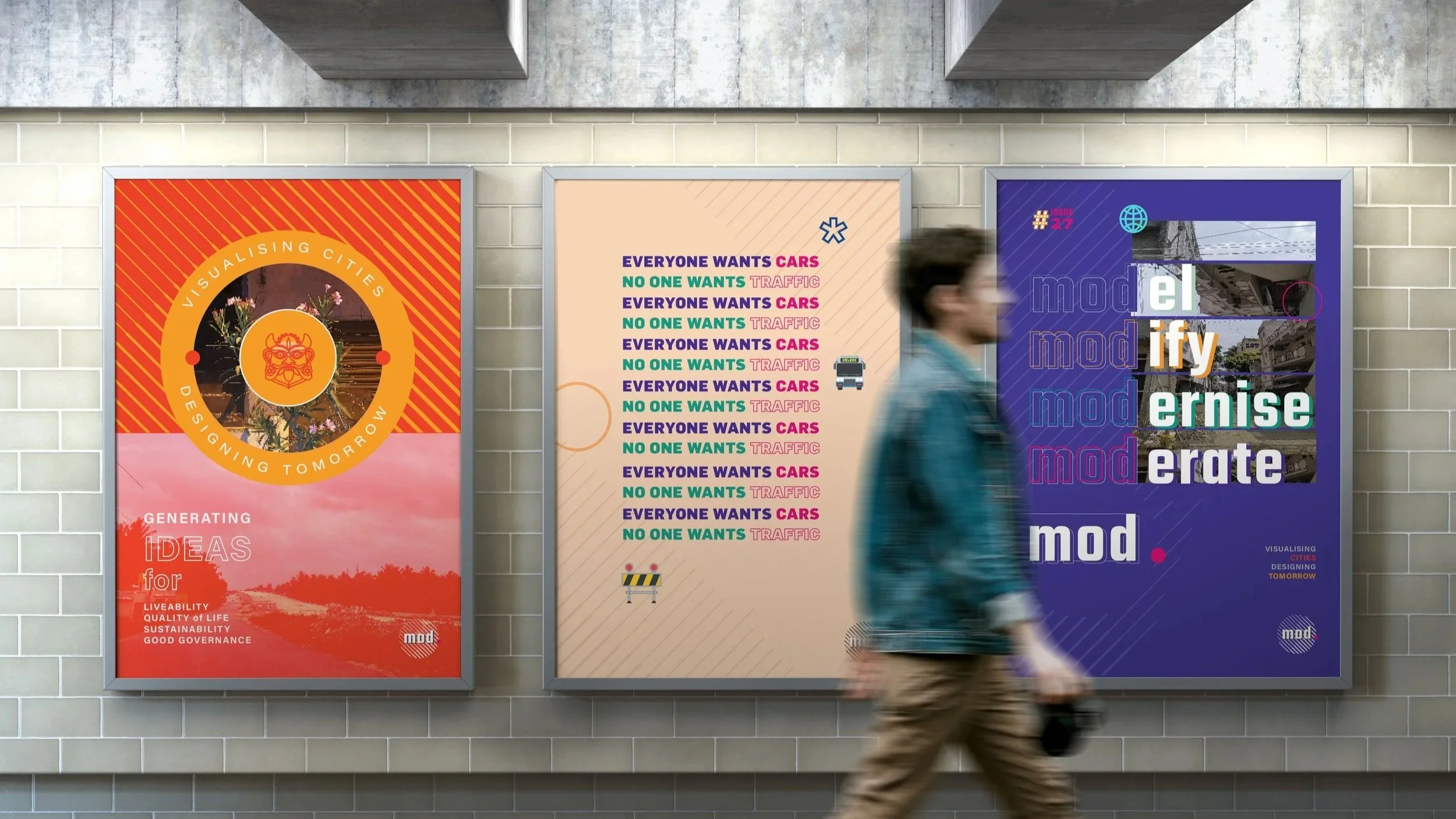
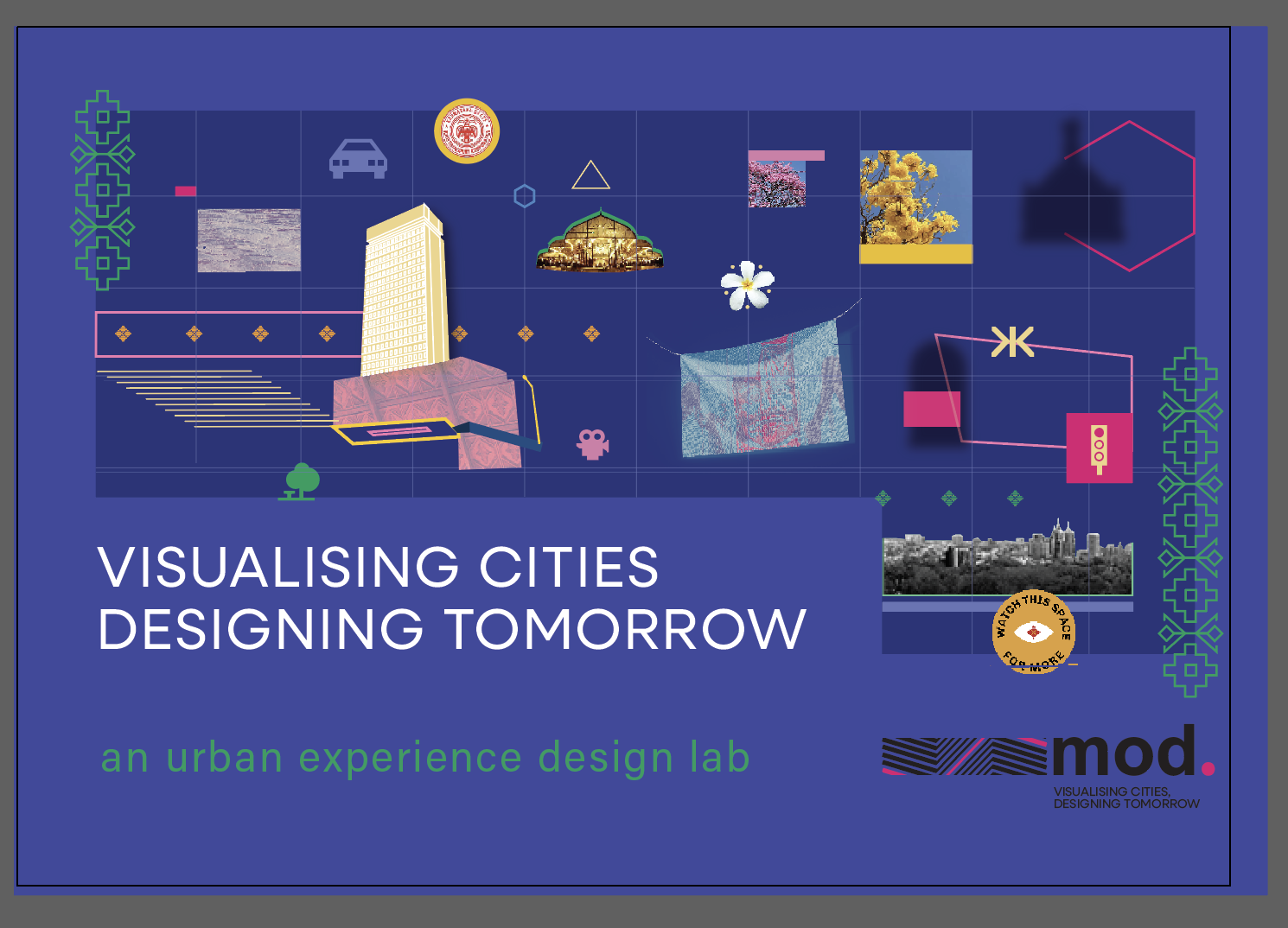
Mod’s Identity needed to evolve, as it stepped into a new era and space, that felt dynamic, data and design-driven, with an easy extendability.
Features of Mod Foundation
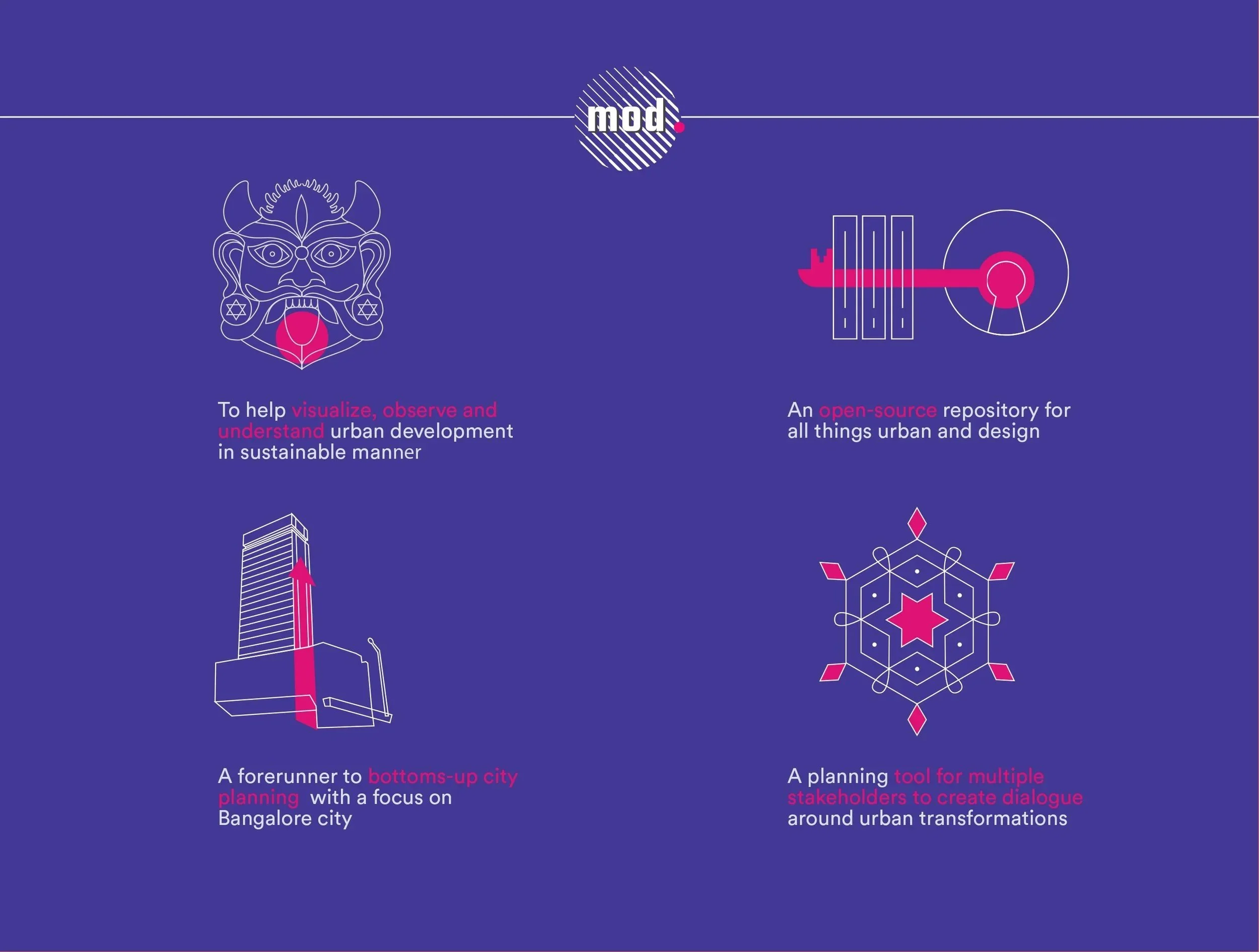
❋ An Urban Research and Action LabUrban labs and research institutes, adjacent to architecture practices have always existed. They sit on an access of government-facing, academia adjacent, It is a collective of architects, designers, researchers, curators and practitioners with interests in, and interests for engagement with the urbanisation processes in India.
❋ Collaborative and Interdisciplinary Connecting the dots between the data is a core part of the process. An interdisciplinary lens for solving things that affect a multiplicity that exists in a city. A planning tool for multiple stakeholders to create dialogue and informed action for urban transformations.
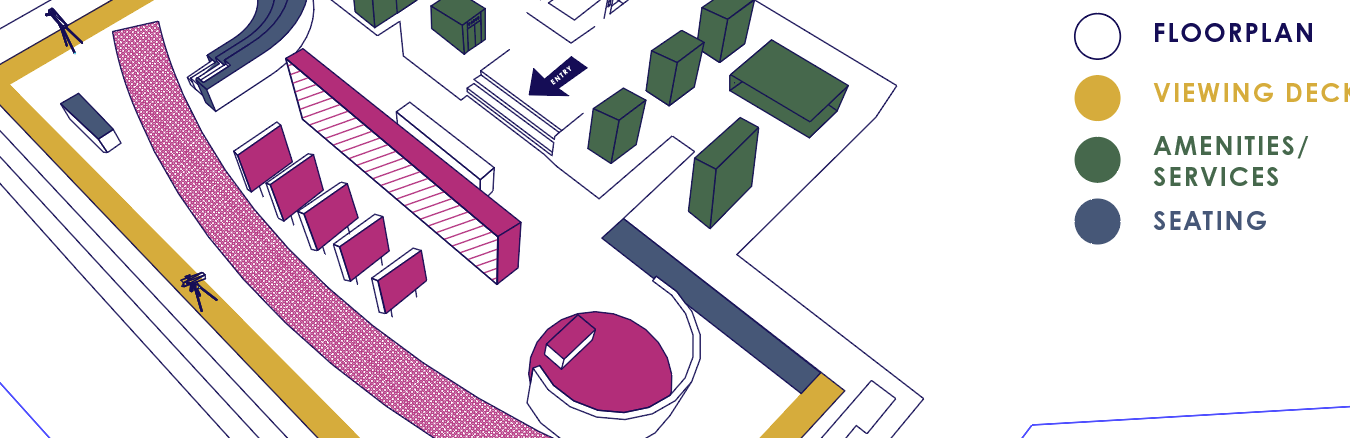
❋ Data and Design-driven We do is design-driven work, informed by data with an emphasis on exploring the underlying dimensions in the urban fabric, focussing on everyday spaces and objects. We are fascinated with cities, and interpreting them, to visualise their information for a strategic design analysis involving mapping techniques.
❋ Urban Information RepositoryA forerunner to bottoms-up city planning and experience design. With an information respository of all things consisting of the urban ecosystem.
The idea was to take the logo of the parent company, abstracting the qualities of it - the play on positive and negative space, using 2d elements to create a 3d feel, differing elements coming together to form a larger picture.
data-driven
dynamic
gradations creating larger patterns
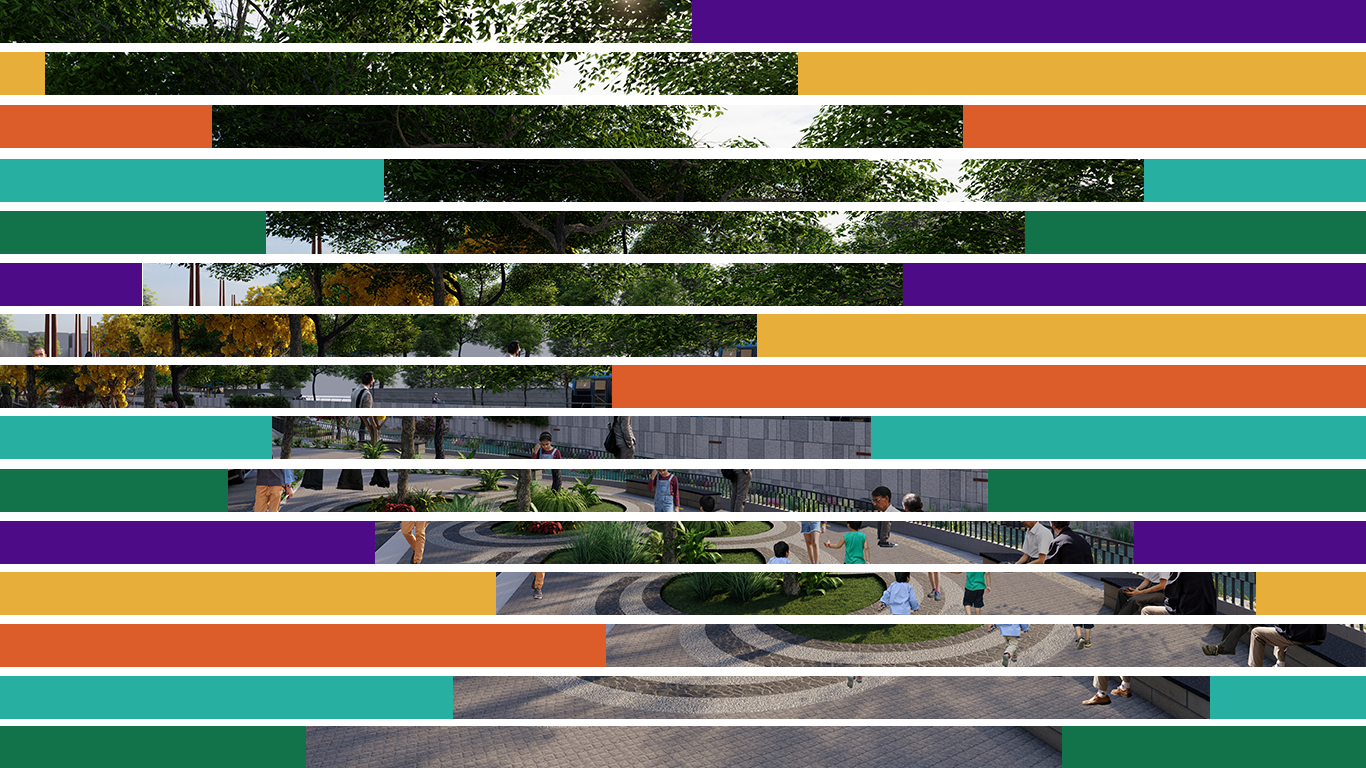
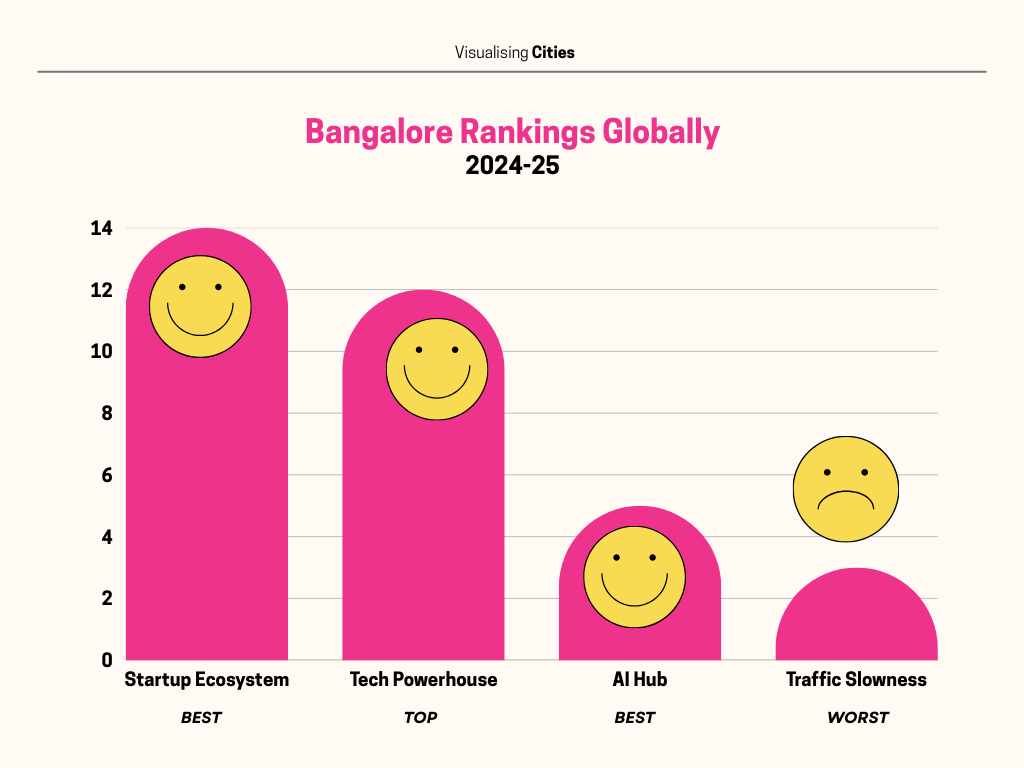
#1 Global for Sights & Landmarks
#3 Global for Restaurants
#1 Tech Talent Density
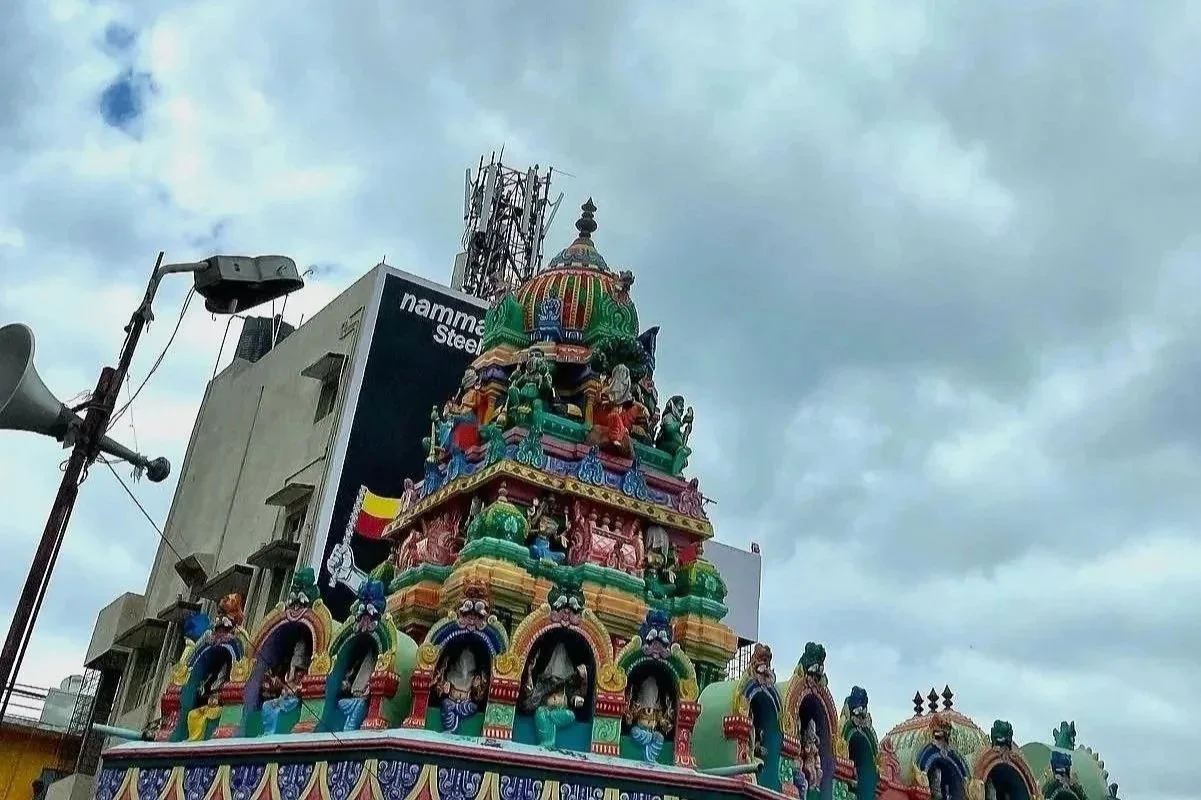

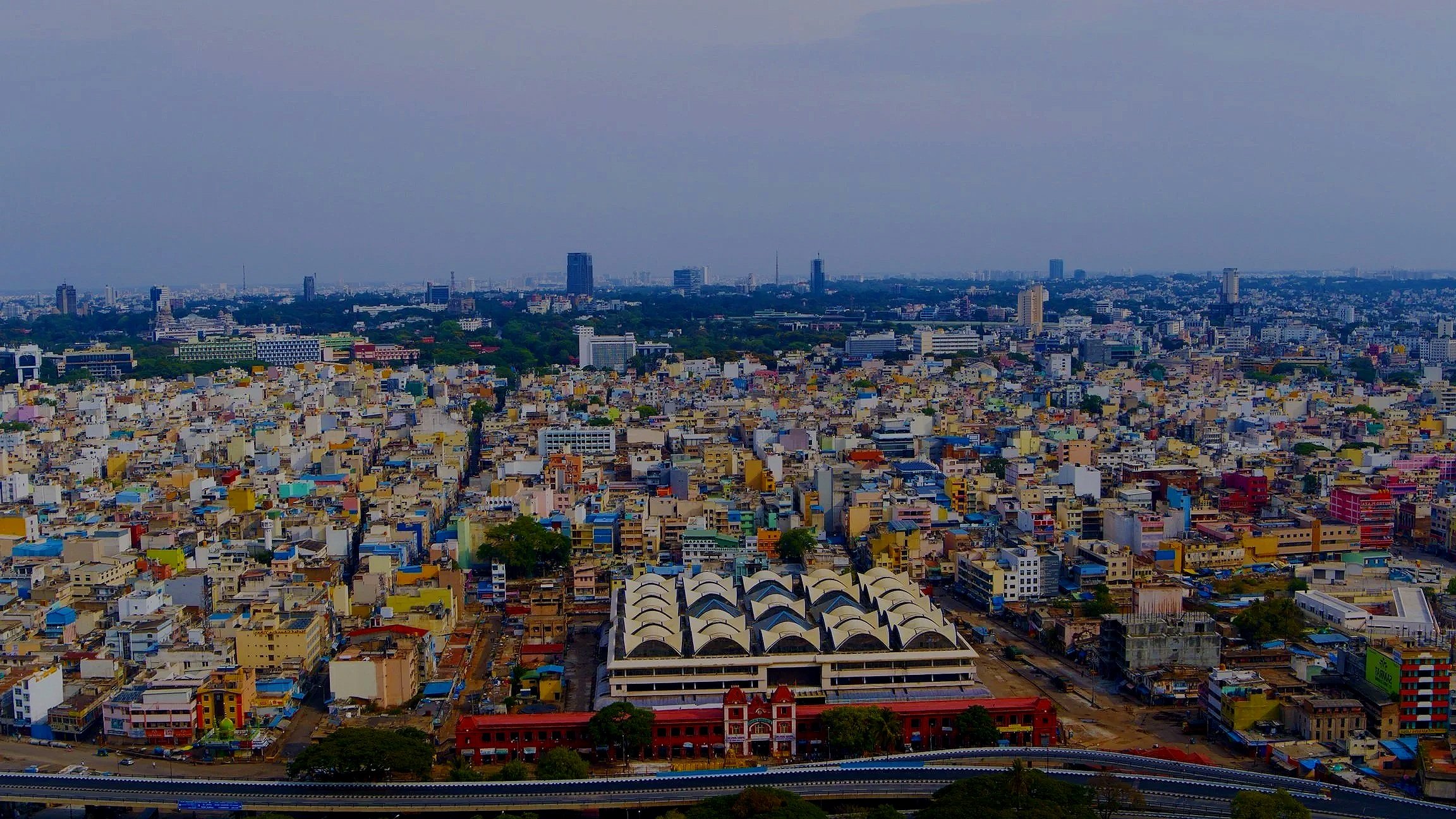
Top 10 Global Traffic Congestion: In the TomTom Traffic Index, Bengaluru consistently ranks in the top 10 (often at #2 or #6) for the slowest travel times in the world.
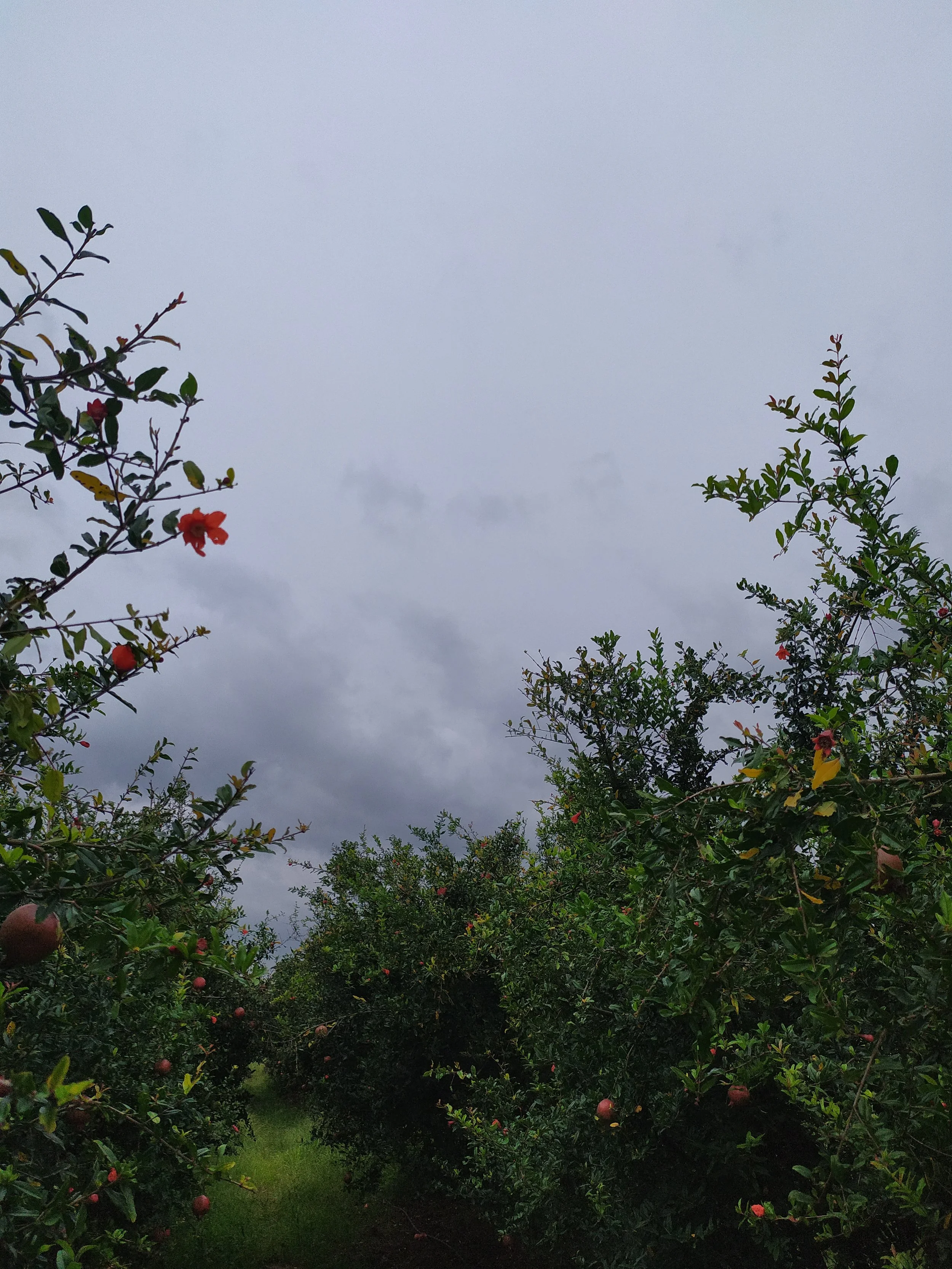


THE URBAN ECOSYSTEM
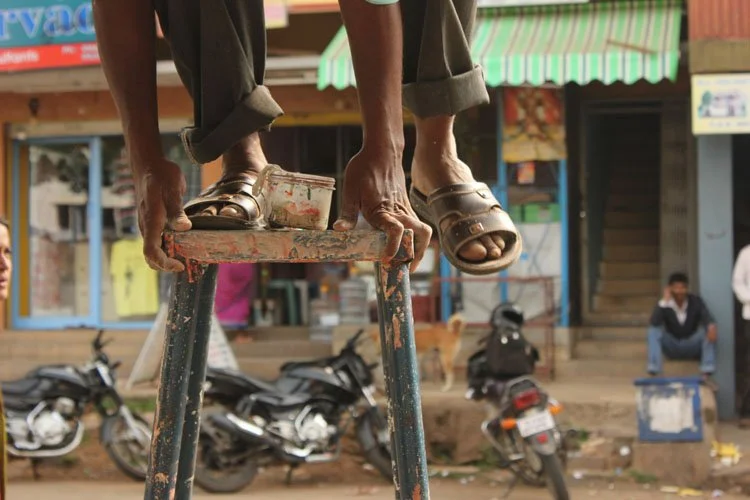
There is a texture to an Indian city—the smell of spices, the sound of the bazaar, the layers of history—that stays with you like a woven memory long after you leave
JHUMPA LAHIRI